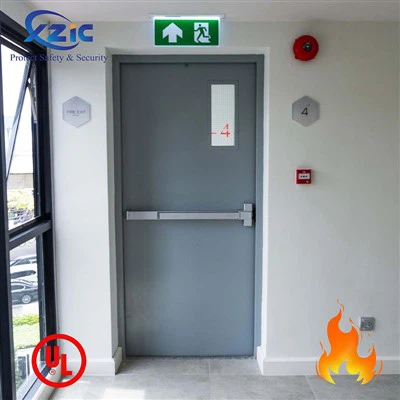
Maintaining a commercial fire rated door is not only crucial for safety compliance but also for the longevity and effectiveness of the door. As a commercial fire rated door supplier, I understand the importance of proper maintenance to ensure that these doors function as intended during a fire emergency. In this blog, I will share some essential tips on how to maintain commercial fire rated doors.
Understanding the Basics of Commercial Fire Rated Doors
Before delving into maintenance, it's important to understand what a commercial fire rated door is. These doors are designed to prevent the spread of fire and smoke for a specified period, typically ranging from 20 minutes to 3 hours. They are constructed with fire-resistant materials and are rigorously tested to meet specific safety standards.
Regular Inspections
Regular inspections are the cornerstone of maintaining a commercial fire rated door. Inspections should be conducted at least annually, but more frequent checks may be necessary depending on the door's usage and environment. Here are some key areas to inspect:
Door Frame and Hinges
- Frame Integrity: Check for any signs of damage, such as cracks, warping, or corrosion. A damaged frame can compromise the door's ability to seal properly during a fire.
- Hinge Condition: Inspect the hinges for proper alignment and lubrication. Loose or rusted hinges can cause the door to sag or not close properly.
Door Leaf
- Surface Damage: Look for scratches, dents, or holes in the door leaf. These can weaken the door's fire resistance and should be repaired promptly.
- Seals and Gaskets: Check the door seals and gaskets for wear and tear. Damaged seals can allow smoke and fire to pass through, reducing the door's effectiveness.
Hardware
- Locks and Latches: Ensure that the locks and latches are functioning properly. They should engage securely and be easy to operate.
- Exit Devices: If the door is equipped with an exit device, test it to make sure it operates smoothly and releases the door easily.
Cleaning and Lubrication
Proper cleaning and lubrication can extend the life of a commercial fire rated door and keep it functioning correctly.


Cleaning
- Regular Cleaning: Use a mild detergent and water to clean the door surface. Avoid using abrasive cleaners or solvents that can damage the door's finish.
- Removing Debris: Keep the door track and frame clear of debris, such as dirt, dust, and leaves. This can prevent the door from closing properly.
Lubrication
- Hinges and Hardware: Lubricate the hinges, locks, and other moving parts regularly with a silicone-based lubricant. This will reduce friction and ensure smooth operation.
Repair and Replacement
If any issues are found during the inspection, they should be repaired or replaced immediately. Here are some common repairs and replacements:
Door Seals and Gaskets
- Worn Seals: Replace worn or damaged door seals and gaskets to maintain the door's fire and smoke resistance.
- Proper Installation: Ensure that the new seals and gaskets are installed correctly to provide a tight seal.
Hardware
- Faulty Locks and Latches: Replace any faulty locks or latches to ensure the door can be securely locked and opened.
- Exit Devices: If an exit device is not functioning properly, it should be repaired or replaced to meet safety standards.
Door Leaf
- Minor Damage: Minor scratches or dents can be repaired using a filler or touch-up paint.
- Major Damage: If the door leaf is severely damaged, it may need to be replaced to maintain its fire resistance.
Training and Education
Proper training and education are essential for maintaining commercial fire rated doors. Building owners, managers, and employees should be trained on the importance of fire rated doors and how to perform basic maintenance tasks.
Training Programs
- Fire Safety Training: Provide fire safety training to all employees, including how to use exit devices and the importance of keeping fire rated doors closed.
- Maintenance Training: Offer maintenance training to building managers and maintenance staff on how to inspect, clean, and repair fire rated doors.
Documentation
- Maintenance Records: Keep detailed records of all inspections, repairs, and maintenance activities. This will help ensure that the doors are properly maintained and meet safety standards.
Conclusion
Maintaining a commercial fire rated door is essential for the safety of building occupants and the protection of property. By following these tips, you can ensure that your fire rated doors are in good working condition and provide the necessary protection in the event of a fire.
If you are in the market for high-quality commercial fire rated doors, we offer a wide range of options, including Steel Fire Door for Apartment, Fire Rated Door with Vision Panel, and Steel Fire Door for School. Contact us today to discuss your specific needs and learn more about our products and services.
References
- National Fire Protection Association (NFPA). NFPA 80: Standard for Fire Doors and Other Opening Protectives.
- International Building Code (IBC). Chapter 7: Fire and Smoke Protection Features.
- Underwriters Laboratories (UL). UL 10C: Standard for Fire Tests of Door Assemblies.