


If you’re managing a hotel property, safety isn’t just a buzzword—it’s non-negotiable. Last year, I got a call from a small hotel manager in downtown Chicago who’d had a scare: a guest’s curling iron left on in a bathroom almost caused a fire that could’ve shut down his entire business. The big takeaway from that chat? He’d been grabbing cheap, regular wooden doors for every guest room and entryway because they looked nice, but he had zero clue they didn’t hold up to fire risks. If you’re in the market for a commercial wood fire door for a hotel, skipping the details isn’t an option—so let’s break down exactly what you need to know, from real-world tests to picking something that fits your hotel’s vibe (and passes local fire codes).
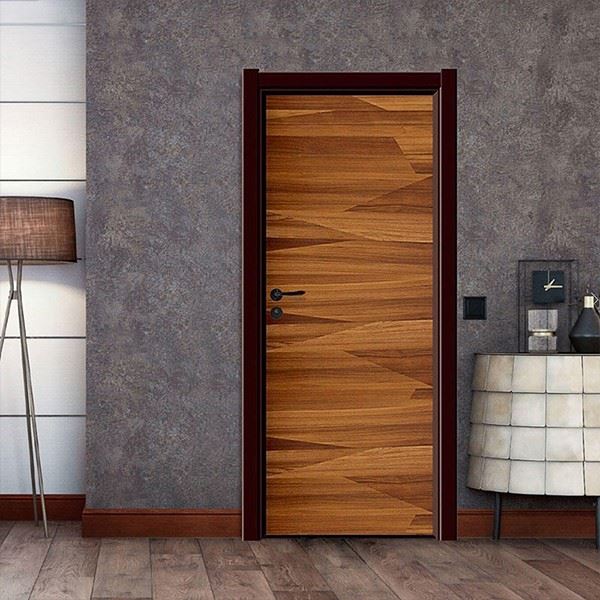
First, let’s talk basics that most hotel owners sleep on: fire ratings aren’t one-size-fits-all. If you pick a door that’s underrated, even if it looks fancy, it’s basically a fire hazard with a wooden face. Commercial wood fire doors for hotels have to meet national standards like NFPA 80 and IBC, which means they’re tested to stop fire, smoke, and heat spread for a specific amount of time. For guest rooms, the most common rating is 20 minutes—that’s enough time for guests to escape and firefighters to get there, which is all you need for individual room compartmentalization. I’ve seen way too many hotels grab unrated doors to save a buck, and trust me, a $500 save now turns into a $50,000 fine or lawsuit later. If you’re just starting your search, check out this solid option: the Wooden 20 Minute Fire Rated Door Slab — it’s pre-tested, fits standard hotel room frames, and doesn’t look like a boring safety box (we make sure they match your hotel’s interior design, too).
Next up, match the door to where it’s going in your hotel—this is a make-or-break step that most people skip. Let’s be real, a guest room door is way different from a lobby entry, right? For guest rooms, you need a door that seals in smoke (so other guests don’t inhale toxic fumes) and holds fire for that 20-minute window, like the one I just linked. But what about hallways connecting guest wings, or stairwells? Those need higher ratings (like 45 or 90 minutes) because they’re evacuation routes. Then there’s front entryways—you want something that looks sharp for guests, but still is fire-rated for commercial use. We’ve got a great pick for that: Hotel Entry Wood Fire Door — it has a smooth, stainable wood finish that works with upscale boutique hotels or chain properties, and passes all local commercial fire codes. If you’re outfitting apartment-style hotel suites (extended stays are huge right now), you’ll need a door that works for both guest rooms and suite entry points—Apartment Wood Fire Door is built for exactly that, with sound-dampening too so guests don’t hear each other. You don’t have to buy one door for every space—mix and match based on your floor plan, that’s how you balance safety and style.
Now, let’s get into the stuff that actually makes a wood fire door work (not just look like it does): core materials and finishes. A lot of people think wood is flimsy for fire safety, but modern commercial wood fire doors aren’t solid oak or pine—they have a fire-resistant core, like mineral fiber or gypsum, wrapped in a veneer or solid wood frame that’s treated to slow burn. The finish matters too: if you use cheap paint or stain, it can peel when exposed to heat, breaking the seal and letting smoke through. We test every single door we sell, so you don’t have to guess—our Fire Safety Wood Door line has pre-treated surfaces that won’t warp or peel at 1,000°F, which is the temperature of a typical room fire. Pro tip: ask for a “temperature seal” — that’s the strip around the door edge that expands when it gets hot, blocking smoke flow. A door without that seal is like a screen door in a rainstorm—looks good, but doesn’t do the job.
Wait, don’t forget installation and maintenance—this is where even a top-tier door can fail if you mess it up. I’ve had a client who bought a fancy fire door, but their handyman hung it with 2-inch screws instead of the 3-inch screws we recommended, so the door shifted and didn’t close all the way. No fire marshal will pass that. Installation has to be done by someone who’s certified in fire door assembly—regular carpenters might know how to hang a door, but they don’t know about the gap sizes (less than 1/8 inch on the hinge side) or where to place the fire seal. Then maintenance: every year, you need to inspect the door for dents (if the core is damaged, the rating is toast), check that the fire seal isn’t cracked, and test that it closes smoothly on its own. We offer free inspection guides for all our customers, so you don’t have to hire an expert just for a quick check. If you’re worried about sourcing reliable doors that are actually tested (not just labeled), check out Fire Rated Wood Door Manufacturers — they don’t cut corners on testing, so you can show the fire marshal a real report when they come by.
Let’s talk about cost, because I know that’s the big question for hoteliers. You might see a random “commercial wood fire door” on Amazon for $200, but wait—does it have a test report? Does it have the temperature seal? Will it pass a code inspection? That cheap door is a false sense of safety. Our doors start at $800, but that includes the core, fire seal, pre-testing, and a 5-year warranty. The $200 door might save you a few bucks upfront, but if there’s a fire, your insurance might not cover damages because you used an unrated door. I’d rather pay a little more now than lose my business later. Plus, our doors look way nicer than that cheap one—guests will notice the smooth finish, not just the safety label.
A quick personal anecdote to drive this home: last month, a hotel owner in Orlando told me he’d skipped fire doors because he thought they’d ruin his vintage lobby. We worked with him to pick a Hotel Entry Wood Fire Door that matched his existing woodwork—he couldn’t even tell it was a fire door until we pointed out the hidden temperature seal. That door cost him $1,200, but when the fire marshal did his annual check, he walked right past the other doors and praised that one for being correctly installed. That’s the sweet spot: safety that doesn’t kill your hotel’s vibe.
So, to wrap this up: first, nail down the fire rating based on where the door is (20 mins for guest rooms, higher for hallways/stairs), pick the right door for your hotel type (boutique, extended stay, etc.)—we’ve got links to all the specific options you need, and make sure you work with a manufacturer that actually tests their doors. Then, hire a pro to install it right, and do annual quick checks. You’re not just buying a door—you’re protecting guests, your staff, and your business.
If you’re ready to pick the right commercial wood fire door for your hotel, or have questions about which option fits your floor plan, reach out to our team now to discuss custom solutions and bulk pricing. We can walk you through test reports, style matches, and installation tips—no salesy fluff, just real advice from someone who’s been in the commercial fire door game for years.
References

- National Fire Protection Association. (2021). NFPA 80: Standard for Fire Doors and Other Opening Protectives. Quincy, MA: National Fire Protection Association.
- International Code Council. (2022). International Building Code (IBC) Chapter 7: Fire and Smoke Protection Features. Washington, DC: International Code Council.
- Fire Protection Research Foundation. (2020). Performance of Wood-Based Fire Doors in Commercial Occupancies. Quincy, MA: National Fire Protection Association.
- Occupational Safety and Health Administration. (2019). 29 CFR 1910.155: Fire Protection. Washington, DC: U.S. Department of Labor.


